

Is Aritzia Fast Fashion? See Where The Beloved Brand Really Goes
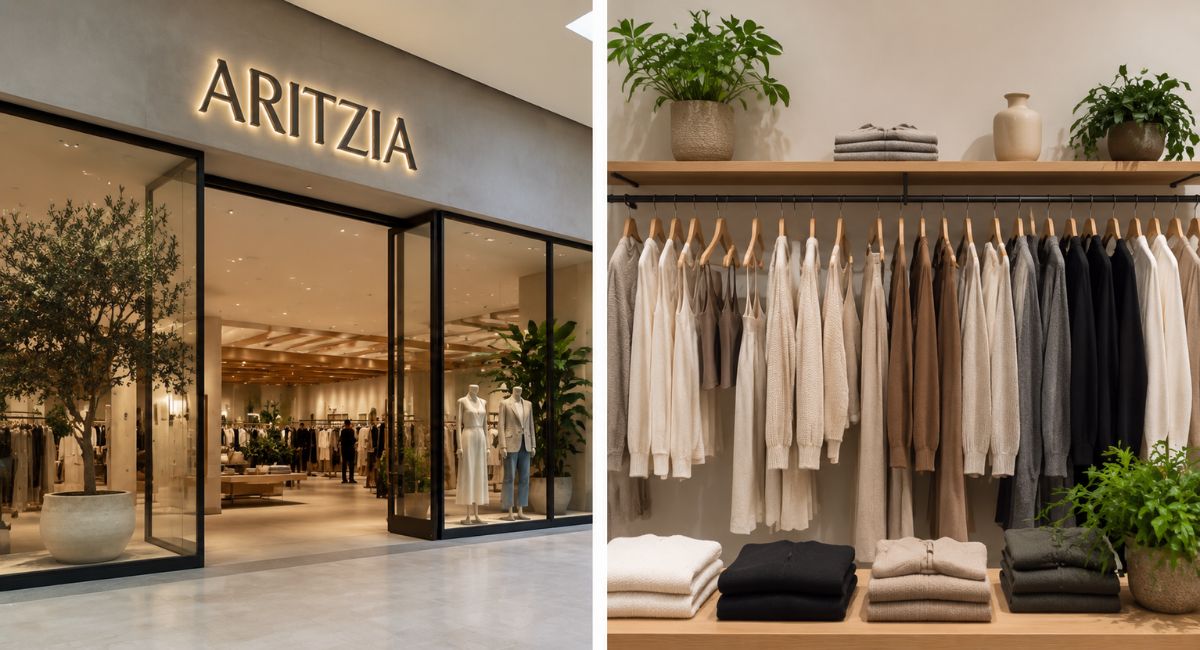
Step inside an Aritzia store and it’s not your typical fast-fashion experience.
The clothes are nicely displayed. The fabrics feel very premium. The price is higher than ultra-cheap trend-setting brands. The designs are timeless, not throw-away.
The conscious shopper is increasingly asking one important question:
Is Aritzia fast fashion or a responsible alternative to the fast fashion industry?
Well, the answer is not a simple yes or no.
Aritzia sits in a complicated middle ground. It is not the typical fast-fashion giant producing thousands of low-cost styles every month, but it is also not exactly a slow-fashion brand that prioritizes transparency, limited production, and maximum sustainability.
To understand Aritzia’s place in the fashion world, we need to look beyond aesthetics and consider:
- Production speed
- Supply chain practices
- Pricing strategy
- Clothing quality
- Sustainable practices
- Industry standards
- Consumer behaviour
In this article, we’ll break down whether Aritzia is fast fashion, what makes the brand different, and what consumers should know before buying.
Short Answer: Is Aritzia Fast Fashion?
Some people argue:
“Aritzia is a fast fashion brand because it operates through seasonal collections and global manufacturing.”
However, a more accurate explanation is:
Aritzia is not usually considered traditional fast fashion, but it does have some characteristics of the modern accelerated fashion industry.
Aritzia is different from typical fast-fashion brands because it focuses on:
✔ Higher price points
✔ Wardrobe essentials and premium basics
✔ Better fabric quality and design
✔ Slower turnover of mass trends compared with ultra-fast fashion brands
However, critics point out:
Dependence on global manufacturing networks
Limited supply chain transparency
Participation in seasonal consumption cycles
Potential encouragement of over-consumption
A more balanced way to describe Aritzia is:
Aritzia is a modern premium fashion retailer — not a classic fast-fashion brand, but not completely slow fashion either.
What Is Fast Fashion? Understanding The Model
Before judging whether Aritzia is fast fashion, it helps to understand what fast fashion actually means.
Fast fashion is a business model that relies on:
Fast Trend Production
Brands quickly identify popular trends and produce similar styles at a rapid pace.
Cheap Manufacturing Costs
The model depends on reducing production costs through large-scale manufacturing.
High Product Turnover
New collections and products are constantly introduced to encourage repeat purchases.
Affordable Prices
Low prices allow consumers to buy trendy clothing more frequently.
Encouraging Repeat Shopping
The business model depends on customers returning regularly for new styles.
The goal of fast fashion is:
To move fashion trends from inspiration to consumer shelves in the shortest possible time.
How The Fast Fashion Cycle Works
The typical fast-fashion cycle looks like this:
Trend begins → Design copied quickly → Mass production → Cheap retail prices → Consumer purchase → New trend replaces old one
This system gives shoppers easy access to affordable fashion but creates concerns around:
- Environmental impact
- Worker conditions
- Textile waste
- Overproduction
- Excessive consumption
Traditional fast-fashion companies usually compete through:
- Rapid production
- Large volumes
- Low prices
- Constant new arrivals
What Is Aritzia?
Aritzia is a Canadian fashion retailer founded in Vancouver in 1984.
The company operates through:
- Brick-and-mortar stores
- Online shopping platforms
- Multiple in-house fashion brands
Some of Aritzia’s most popular labels include:
- Wilfred
- Babaton
- TNA
- Sunday Best
- Super Puff
Unlike many fast-fashion brands that focus heavily on copying current trends, Aritzia’s brand identity is built around:
Minimalism
Aritzia focuses on clean designs, neutral colours, and timeless silhouettes.
Elevated Essentials
The brand creates everyday clothing that feels more polished than typical mass-market fashion.
Seasonal Collections
Aritzia follows traditional fashion cycles with collections released throughout the year.
Modern Everyday Wear
Its target customer is generally someone who wants fashionable clothing that lasts longer than inexpensive trend pieces.
Why Some People Consider Aritzia Fast Fashion
Aritzia does not perfectly match the traditional definition of fast fashion, but critics highlight several similarities.
1. Seasonal Collection Releases
Aritzia regularly launches new collections.
Like much of the fashion industry, the brand follows seasonal shopping patterns:
- Spring collections
- Summer releases
- Fall collections
- Winter outerwear
Frequent product launches can encourage customers to continuously refresh their wardrobes.
The concern is not only how quickly clothes are produced — it is also how often consumers feel encouraged to buy something new.
2. International Manufacturing
Aritzia works with manufacturing partners internationally.
This is common throughout the fashion industry and is also used by many premium and luxury brands.
However, global manufacturing raises important questions about:
- Factory conditions
- Worker standards
- Environmental impact
- Supply chain transparency
A higher price tag does not automatically guarantee ethical production.
3. Trend-Driven Marketing
Aritzia has built a strong presence through social media and influencer marketing.
Popular products such as:
- Super Puff jackets
- Leggings
- Simple dresses
- Oversized jackets
often become recognizable fashion trends.
When a brand creates strong demand around certain products, it can encourage customers to return for seasonal updates.
What Makes Aritzia Different From Other Fast Fashion Brands
Although Aritzia shares some similarities with fast fashion, it is very different from brands built entirely around speed and low prices.
1. Premium Positioning and Higher Quality
Aritzia is generally considered an upscale contemporary fashion label.
The company focuses on:
- Fabric selection
- Construction quality
- Consistent design
- Brand experience
A £20 trend piece and a £150 wardrobe investment represent very different business models.
2. Investment Wardrobe Pieces Designed for Long-Term Use
Aritzia creates many products designed to stay in a wardrobe for years.
Examples include:
- Wool coats
- Structured trousers
- Neutral sweaters
- Basic tops
- Everyday jackets
These pieces are generally less trend-dependent.
For example, a well-made black blazer can remain stylish and wearable for years when properly cared for.
3. Slower Speed of Production
Ultra-fast fashion companies can produce hundreds or thousands of new pieces at an extremely rapid pace.
Aritzia follows a more traditional fashion calendar.
The brand does not operate on the “new outfit every day” model, but it still releases new products regularly throughout the year.
Aritzia and Sustainability: How Green Is the Brand?
Sustainability has become one of the biggest challenges facing the fashion industry.
More consumers are asking important questions:
- Who made my clothes?
- What materials were used?
- How long will this item last?
- What happens when I no longer want it?
Aritzia has introduced sustainability initiatives involving:
- Sustainable materials
- Improved packaging practices
- Climate goals
- Supply chain standards
However, like many large fashion companies, Aritzia still faces challenges.
Where Aritzia Has Made Progress With Better Materials
Many fashion companies are increasing their use of:
- Recycled fibres
- More responsible wool sources
- Lower-impact materials
- Corporate sustainability reporting
More large companies are now publishing environmental and social information, making them more accountable than brands that provide little information.
However, important questions remain around:
- Supply chain visibility
- Raw material sourcing
- Manufacturing processes
- Worker conditions
- Transportation impact
True sustainability requires looking at the entire journey of a garment.
The Over-Consumption Problem
Even sustainable clothing has an environmental footprint.
The most sustainable garment is often:
The one you already own and continue wearing.
Instead of constantly replacing clothing, a more sustainable approach is:
- Buy fewer pieces
- Choose better quality items
- Wear clothing for longer
- Repair items when possible
Changing consumer habits can often have a bigger impact than simply changing brands.
Aritzia vs Fast Fashion: Comparison
| Category | Aritzia | Fast Fashion Brands |
| Price | Mid-premium pricing | Low-cost pricing |
| Production Model | Seasonal collections | Constant rapid releases |
| Style Direction | Modern basics and elevated pieces | Trend-driven styles |
| Quality Focus | Generally higher quality | Usually lower quality |
| Consumer Behaviour | More investment-focused purchases | Frequent buying and replacing |
| Supply Chain Challenges | Transparency and sustainability concerns | Larger environmental and ethical concerns |
How to Shop Aritzia More Sustainably
Buying from a premium brand does not automatically mean buying sustainably.
The most responsible approach is conscious shopping.
1. Buy Less, Choose Better
Instead of buying several fashion-forward pieces, consider choosing:
- One high-quality jacket
- A classic round-neck sweater
- A pair of trousers you will wear repeatedly
- Versatile basics that match your existing wardrobe
The goal is to create a wardrobe that works longer.
2. Consider Cost Per Wear
A simple way to judge whether a purchase is worthwhile is:
Cost per wear = Price of item ÷ Number of times worn
Example:
A £150 coat worn 100 times:
£150 ÷ 100 = £1.50 per wear
A higher-priced item can become more economical if it is worn frequently and lasts longer.
3. Choose Classic Styles
Look for:
- Simple colours
- Timeless shapes
- Durable fabrics
- Pieces that match existing clothing
Classic designs are less likely to become outdated quickly.
4. Take Better Care of Your Clothes
Extending the life of clothing reduces environmental impact.
Best practices include:
- Following care instructions
- Washing clothes less often when possible
- Repairing small damages
- Storing clothing properly
Common Mistakes When Judging Fashion Brands
1. Assuming Higher Prices Always Mean Ethical Production
A higher price can reflect:
- Better materials
- Marketing expenses
- Brand positioning
- Retail costs
However, price alone does not prove ethical manufacturing.
A better approach is to research:
- Supply chain transparency
- Sustainability commitments
- Labour standards
2. Believing “Sustainable” Means “Perfect”
No major fashion company has zero environmental impact.
A more realistic approach is:
Progress over perfection.
Brands can improve, but consumers also play an important role through their buying habits.
3. Judging Sustainability Only by Brand Name
A sustainable wardrobe depends heavily on personal behaviour.
Buying fewer items from an imperfect brand may have less impact than constantly purchasing from supposedly “sustainable” brands.
Pros and Cons of Shopping at Aritzia
Pros of Aritzia
Higher Quality Than Most Fast Fashion Brands
Many customers appreciate:
- Material quality
- Fit and construction
- Longevity
- Classic design
- Overall style
Many pieces are designed to be worn for more than one season.
Strong Brand Identity
Aritzia has developed a recognizable aesthetic:
Pros:
✔ Minimal
✔ Modern
✔ Feminine
✔ Polished
Cons of Aritzia
Higher Prices
Premium fashion is not affordable for every shopper.
Sustainability Is Still a Work in Progress
Aritzia has taken steps toward sustainability, but it is not considered a leader in slow fashion.
Risk of Trend-Based Consumption
Popular products can encourage repeat purchases and seasonal shopping habits.
The Future of Aritzia and Similar Fashion Brands
The fashion industry is changing quickly.
Future consumers are expected to demand:
Greater Transparency
Shoppers increasingly want to know:
- Where clothes are manufactured
- Who made them
- What materials were used
Circular Fashion Models
Future possibilities include:
- Clothing repairs
- Used clothing resale
- Recycling programs
- Rental fashion models
The future of fashion may move away from:
“Buy more”
towards:
“Shop smarter.”
Sustainability Powered by Technology
Technology may play a major role in improving fashion sustainability.
Future developments include:
- Digital supply chain tracking
- AI-powered production planning
- New environmentally friendly materials
- Better inventory management
Final Verdict: Is Aritzia a Fast Fashion Brand?
The answer depends on how fast fashion is defined.
Aritzia is not traditional fast fashion because it does not compete mainly through extremely cheap prices, disposable clothing, or copying trends at lightning speed.
However, it is also not a pure slow-fashion company because it operates within the larger global fashion system, using seasonal collections and international manufacturing.
The most accurate description is:
Aritzia is a high-end contemporary fashion brand with some fast-fashion characteristics, but it follows a different business model focused on quality, design, and elevated wardrobe essentials.
Key Takeaways
- Aritzia is not commonly classified as a traditional fast-fashion brand.
- The company focuses more on design, quality, and wardrobe staples.
- It still faces sustainability challenges common across the fashion industry.
- Ethical fashion is about more than price.
- The most sustainable shopping habit is simple: buy less and wear longer.